Framing. That’s the essence of photography.
I look down at that little black frame, and place it over that rectangle of 3-D space that has caught my attention, and I try to capture it. That little black frame is my butterfly net: The goal is to catch that fragile, beautiful thing I found without spoiling it.
But I have found there are a million ways of spoiling it.
In those cases, I have caught myself questioning my own eyes–maybe I am not seeing what is actually there! Somehow I have come to view a camera as an authority that is more reliable than my own senses. It is true that a camera can only show what it can pick up, but it has a limited ability to process the image in real time.
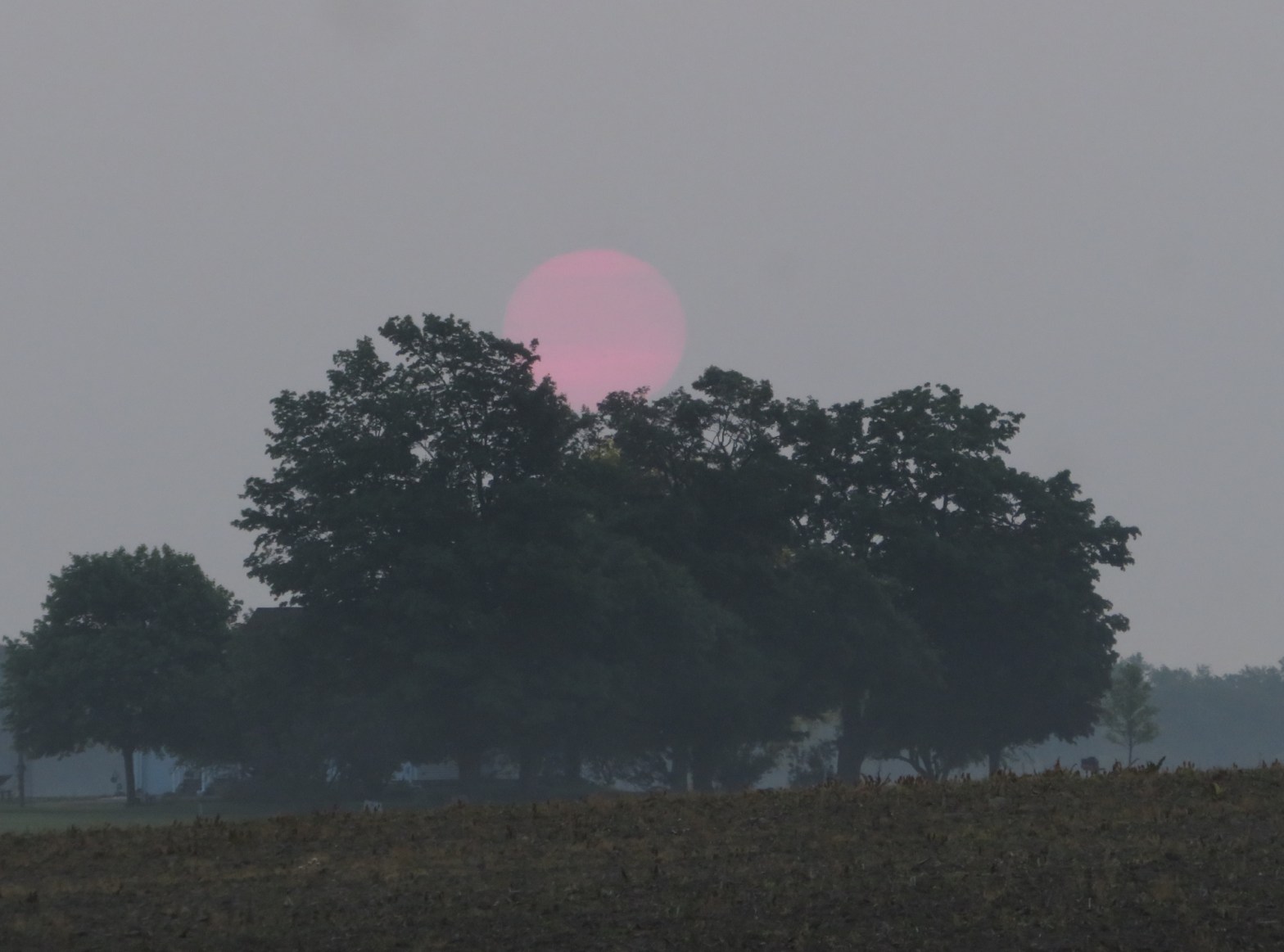
For example, I am pretty sure the sun remains in the sky all day. But I have seen the actual sun appear and disappear through the lens of my camera, depending upon the light setting. (I am referring to the hazy, filtered sun we have had of late, not the full, bright sun in a cloudless sky!) But if the wrong setting can make the sun disappear, then why invest so much trust in a camera?
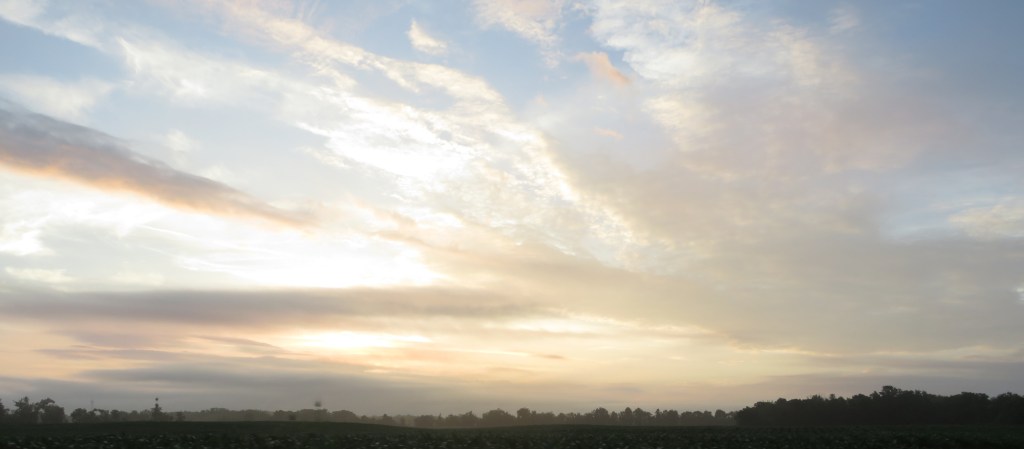
This lack of processing ability in a camera does have one benefit: A camera cannot manufacture something that isn’t there. This means that it is logical to say, “It is real–and I have the picture to prove it!”; but it is inaccurate to say, “It isn’t real–it doesn’t show up in the picture,” because not showing up proves nothing.
So pictures can hide things, but they cannot invent things (unless someone fakes it on purpose, but I am assuming good faith.)
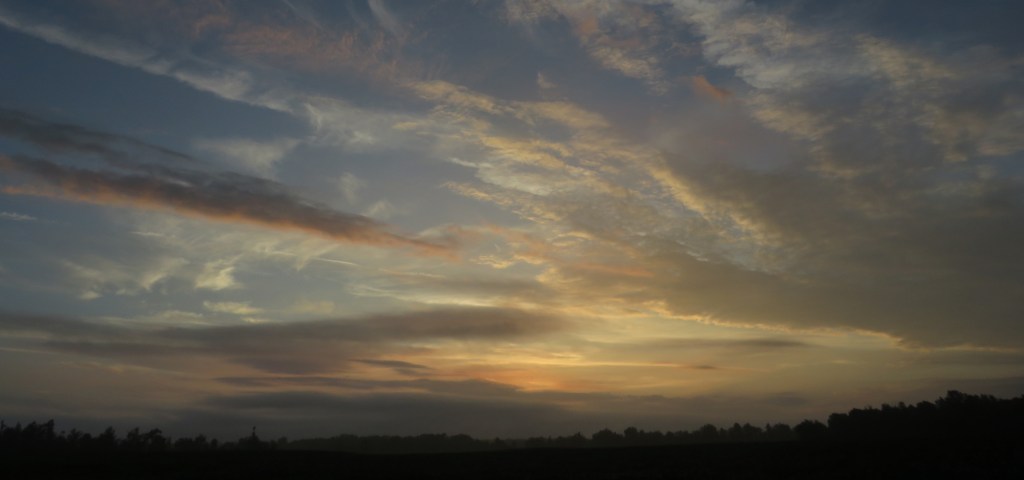
There is an interesting parallel between a camera and faith: Faith can also make something appear that is invisible, but it cannot make something appear that doesn’t exist.
Faith is defined in the bible as “The substance of things hoped for, the evidence of things not seen.” (Hebrews 11:1)
It’s “the leap from the lion’s head of faith” in Indiana Jones and the Last Crusade.
Remember how Indy stepped out into the darkness of that chasm and then found a formerly invisible bridge under his feet that led to the other side? Yep, that’s faith.
Then, knowing others planned to follow, he threw a handful of sand over the bridge so that they would see it. The handful of sand is like the “word of testimony.” When someone who has exercised faith tells what has happened to him or her, that is like the handful of sand, showing the path.
Julia Cameron, author of The Artist’s Way, said, “Leap, and the net will appear.” Taking leaps of faith is necessary in order for creativity to happen.
Even babies develop a kind of faith! When they become old enough to realize that the ball is still there even though they can’t see it through the blanket, we call that skill “object permanence.” Understanding that things exist even when we can’t see them is a developmental milestone. So, apparently, having faith is evidence of some level of maturity.
Faith makes things that are invisible become substance. These invisible things do exist, they just can’t be readily seen. Kind of like how the whole world and everything in it is made of atoms, but none of us have ever seen an atom. And yet, we believe.
With a camera, the light setting may be adjusted, and what has been formerly invisible becomes obviously visible. With a human mind, it is the will that must be adjusted. We must decide to believe, knowing that if there is nothing there, nothing will happen. But if there is something there, that internal adjustment will make it visible. When the will to believe is activated, we call that faith.
“For without faith, it is impossible to please God. He who comes to God must believe that he is, and that he is a rewarder of them that diligently seek him.” Hebrews 11:6
 The Fullers Four