
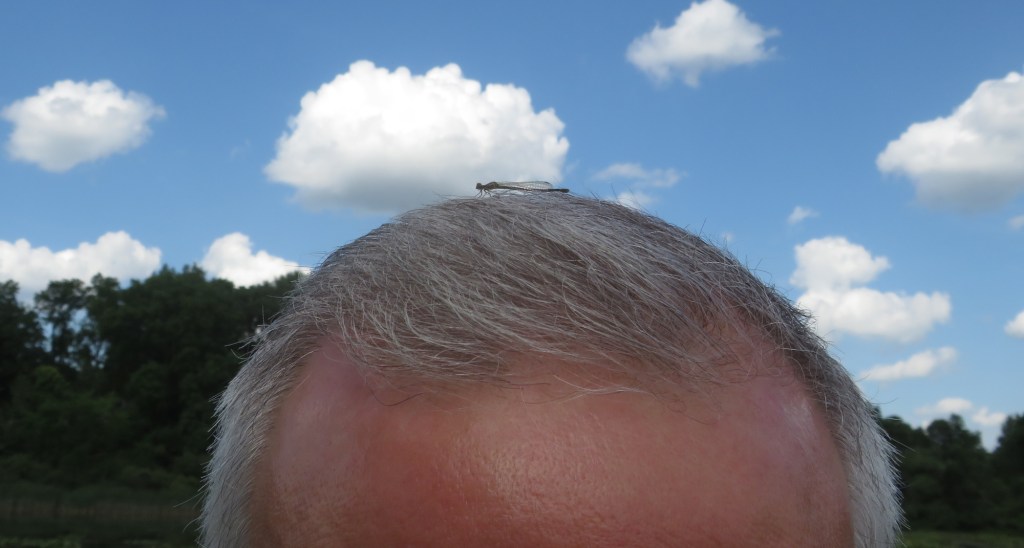
Wow–a lot has happened in the last two weeks. I am going to deliberately not mention the big political spectacle that is happening because it’s already everywhere. The clamor reminds me of a gathering of water birds. Yep, that’s “park security” in the above picture, taking some needed time off.
I want to focus on gratitude in the run up to Thanksgiving.
Being thankful for what you have is directly connected to your own happiness. It makes sense, if you think about it: When your mind is filled with gratitude for all of the good things in your life, how can you feel bad? On the other hand, complaining is guaranteed to make you feel neglected. How can you possibly feel contented if you refuse to recognize your blessings?
Nobody likes to be disappointed, but the fact is that it is a big part of life, especially if you like to “dream big.” (And I do!) But many times, your dream of how things will be doesn’t match up to the reality, and that is a bitter pill.
But remember, that only one thing (that thing that disappointed you) has changed in your life. Everything else is still good. And many of those good things are things that just hum along and work without your noticing. (Your heart is still beating, for example.) And that is a very good thing for which we can thank God!
The antidote to bitterness (for that is the destination at the end of the road of disappointment) is to be thankful. The problem is that we resist being thankful when we are in the throes of disappointment. It feels good to rage against our perceived injustice (even if the disappointment is as small as dinner not being tasty).
But like other negative emotions, disappointment comes across ugly. Frowns drag your face down, and being disappointed steals the light from your eyes. It’s not a good look. But I wouldn’t dream of suggesting that you just “suck it up.” Because when you put a mask on something ugly, the ugly is still there, and it will pop out just when you least suspect.
No, the answer to feeling disappointed is to find a bright spot so you can truly be grateful. It really is as easy as making a decision to seek out something wonderful or beautiful right where you are and to practice thankfulness. The transformation in your spirit happens almost right away, certainly as soon as you have focused on the bright spot.
The best kind of transformation happens when you “reframe” the situation, and find an overlooked good. Imagine that you are the director of the movie of your own life, and you decide to back up and enlarge the picture to include more of the scene. Instead of remaining focused on your dinner plate, you can now see the rest of the table, and look there in the centerpiece: Roses! How did they get there? Someone put them on the table, didn’t they? Aren’t they the same person who placed the food in front of you?
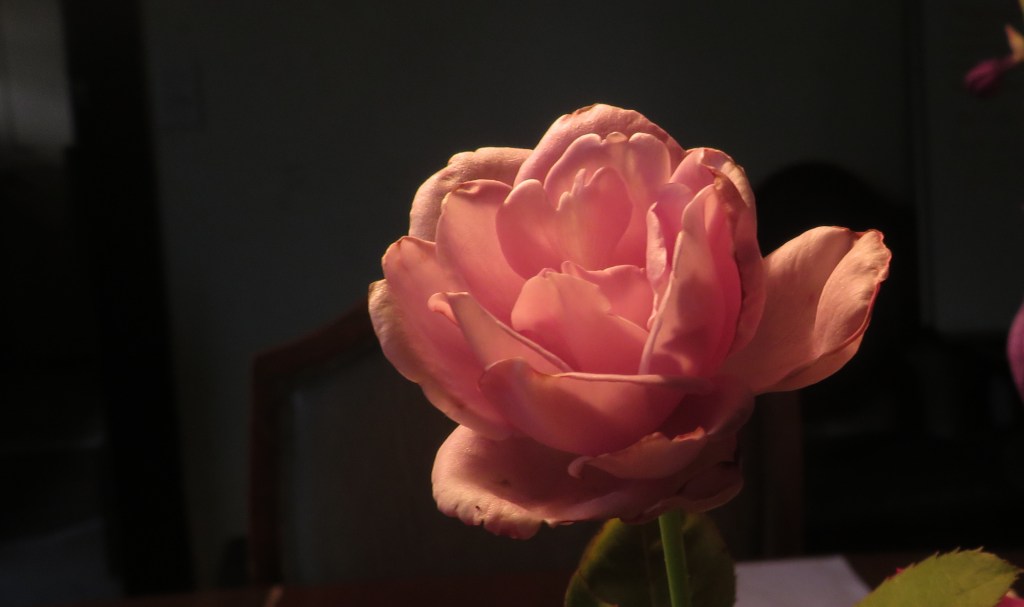
Now, for just a second, set your disappointment aside. Look at the roses and really appreciate them. Notice the beauty of the form each petal makes. Lean forward and inhale the delicate scent. Allow yourself to be thankful to the person who put them there. Feel the velvety petal and allow yourself to wonder at the beauty that God created with a word.
Now think of God, of how much He loves you and how His thoughts are about YOU. You are the focus of the most powerful entity known to man. If you are one of His, He has promised to never leave you or forsake you. And no matter what disappointed you, He is still with you, still available to you, always loving you.
“How precious to me are your thoughts, O God! How great is the sum of them!” Psalms 139:17
Being thankful puts things into perspective. Many times the upset that comes is the result of how we interpret someone else’s motives. Dinner being ruined is much worse when we tell ourselves that the one who made it hates us and did it on purpose. That kind of “pile on” usually isn’t even true, but somehow those thoughts rise up in our minds when we are disappointed.
Speaking of dinner . . .
Have you ever seen someone try to open an oyster? First they find a weak spot, then they insert a knife–they stab into the weak spot. Once they get the end of the knife in, then they twist the knife, and the inflexible shell will pop open. The opener actually uses the rigidity of the oyster’s own shell to invade it!
This is how the evil one works. He exploits your weak spot, and it is usually a place that already hurts, a place that hasn’t fully healed yet.
For instance, maybe you got into an argument with someone from work last week, and it didn’t end well. This week it rained, and when you were trying to get inside the door before it closed, he didn’t hold it open. It only cost you a couple seconds more in the rain, but when you tell yourself that he did it on purpose to slight you, and it becomes a huge insult!
Wait a sec. Did you tell yourself that? Why would you do that to yourself? Only someone who wants to see you suffer would say that to you. Do you want to suffer?
Of course not. This is why Jesus told us to settle disagreements quickly, before the sun goes down, in fact. A bone is easy to set right after it has broken, but if you let the body get used to the dysfunctional position, it becomes much harder. When your body is whole, it resists infection. When your heart is whole, it resists insinuation.
We have to get used to examining our own thoughts the way our white blood cells examine the small things in our blood. We have to get good at recognizing self vs. non-self thoughts. We humans tend to defend ourselves pretty well against an attack from an animal or another human (at least, we try), but we don’t even pay attention to the contents of our thoughts. When you identify an idea that hurts you, ask yourself why you would think that, or why you would want to dwell on that, and then reject it!
Our will has great power, but we often forget we have a choice. We can choose to reject an idea that comes to us out of the blue, especially if it causes us pain or leads us down a dark road. I find that I have some of the worst thoughts when I am trying to pray to God. But I know those are not my own ideas, and if they are, then I really want to blast them as far from me as I can.
When you become used to examining your thoughts, you might find that a lot of what you are “thinking” isn’t approved by you, and is, in fact, hurting you. You can greatly benefit yourself by putting a turnstile on those thoughts and checking each one before you run with it.
“For as a man thinks in his heart, so is he.” (Proverbs 23:7)
We literally become what we think about. Why dwell on things that irritate you, or disgust you or frighten you? Get a grip on those things and pitch them out of your house! Throw hurtful or sad thoughts out of your mind, and then fill yourself with gratitude for all the good things in your life. Think about how much God loves you, or of your love for someone, the dreams you have that are yet to be fulfilled, or the sweet surprises coming up! You have much more time to do good when you aren’t consumed by sadness. It is easier to be hopeful when things seem to be going well.
A merry heart does good, like a medicine; but a broken spirit dries the bones. (Proverbs 17:22)
Jesus told us that if our eye causes us to sin, we should cut it out and throw it away from us. It’s better to enter heaven with one eye than to lose our whole body in hell. And I believe him. But many times the thing we need to cut out isn’t our eye; it’s our cable. Maybe we need to stop following someone. Or maybe we should stop watching sick movies. Or porn. Whatever leads us to sin is our mortal enemy, and must be stopped at all costs. These things strangle the life out of us. That is why Jesus said it the way he did.
“Guard your heart, for out of it flow the issues of life.” (Proverbs 4:23)
When you spend time next to something, it rubs off on you. When I am cutting a tomato for salad and notice a bad spot, I get rid of ALL of the rot. I don’t carefully cut out only the bad and put the rest in my food. Instead, I cut a little bit into the good until I know I got all of it out. I do end up throwing away a little of the good along with the bad, but one bout of food poisoning told me it’s not something trivial. The sacrifice of half an inch of tomato is well-worth escaping 48 hours of, well, you know what.
So out with the bad, and in with the good! (I couldn’t resist. Sorry!)
OK, back to gratitude. Here are the first 10 reasons I can think of to be thankful:
1) It can help mend a broken heart. (Sometimes betrayal isn’t personal!)
2) It is good for your health. (Sighing with happiness improves circulation.)
3) It makes you less likely to be depressed. Or fearful. (Our brain has that one-way switch, can’t be afraid and grateful at the same time.)
4) It lowers your blood pressure. (If you avoid anger by being thankful, that is!)
5) It strengthens your relationships because you are more fun to be around.
6) It increases your physical attractiveness. (Va-va-voom!)
7) It makes that sad things in your life insignificant. (It helps everything sad become untrue!)
8) It makes it easier to make friends. (Don’t you gravitate toward people who are smiling?)
9) You light a candle, and brighten the world around you.
10) It makes life fun again!
I could probably think of lots more reasons, but you can own this, too! How does being thankful make your life better? How many reasons can you come up with? (That might be a good contest for your Thanksgiving get-together. )
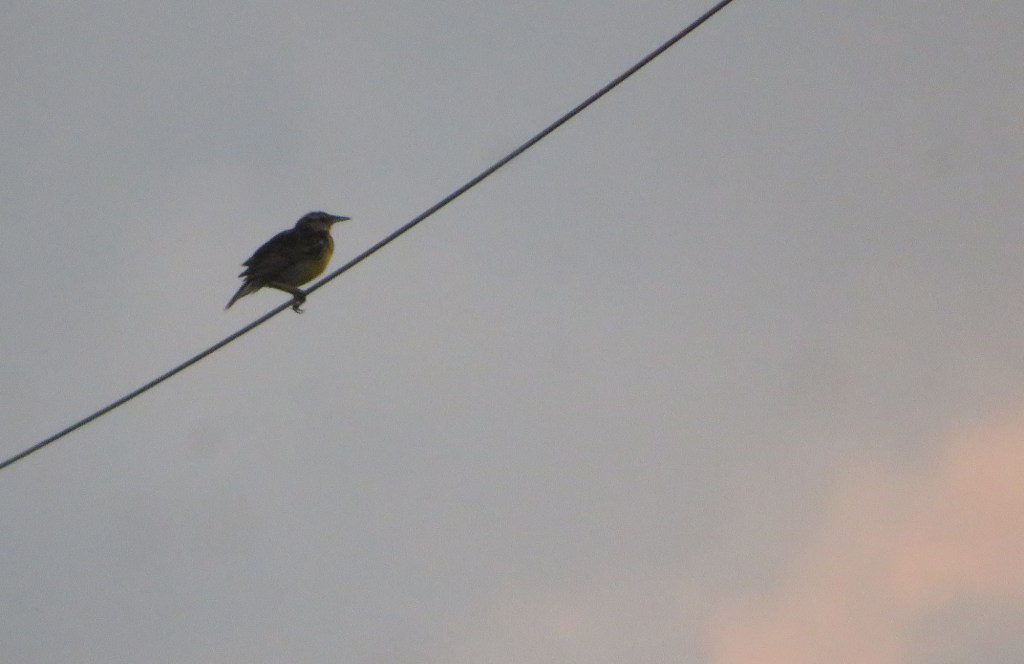
(But she might be a wren, not sure.)
But the biggest reason of all to be thankful, is because the One who loves us more than anyone on this planet told us to do it, and He only said that because He loves us.
“In everything give thanks, for this is the will of God in Christ Jesus for you.” 1 Thessalonians 5:18
 The Fullers Four