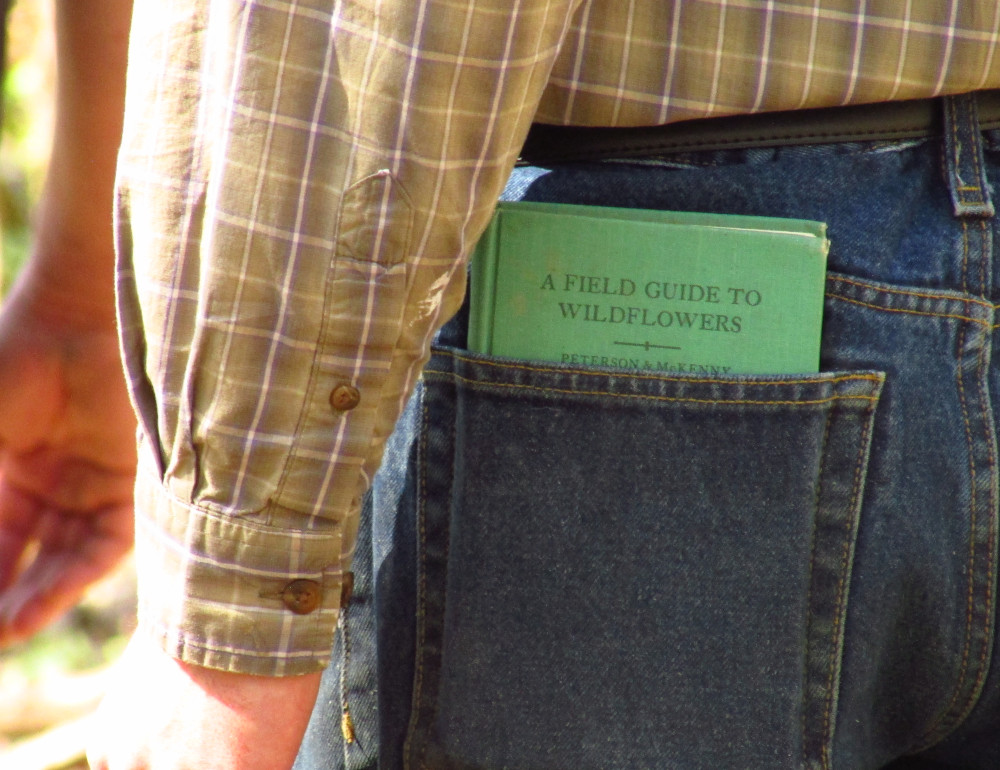
This past Sunday was so beautiful and warm that we drove a few extra miles to one of our favorite wild places in Indiana: Wing Haven Nature Preserve (An Acres Trust property) in Angola. The trees were mostly still bare, but the forest floor was padded with assorted wildflowers! There were plenty on which to feast our eyes!
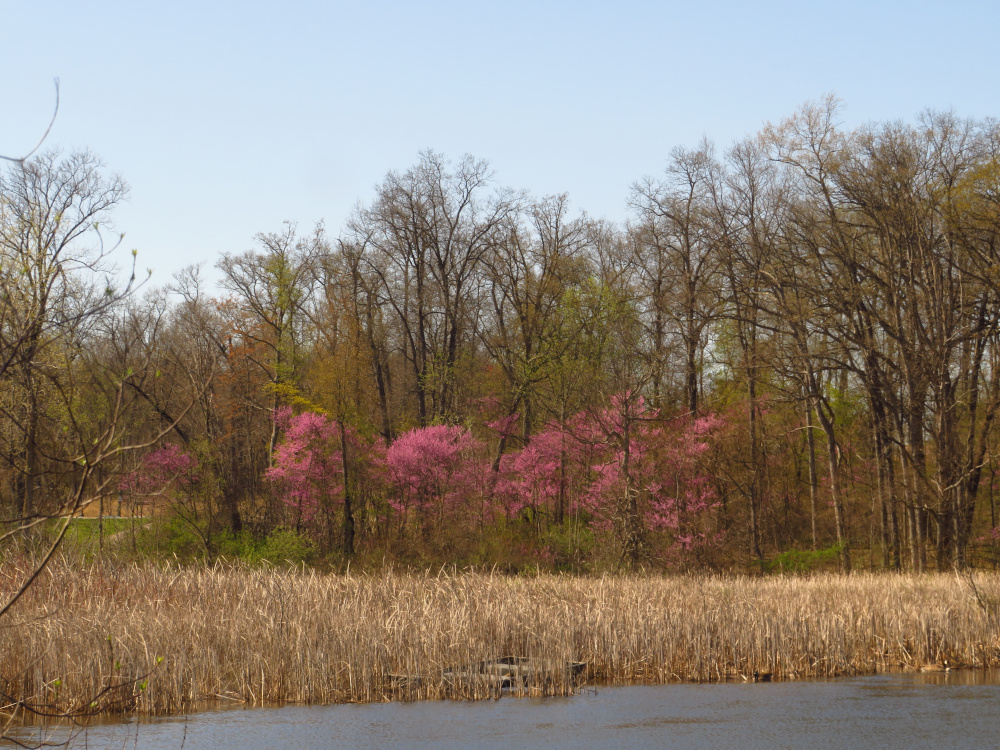
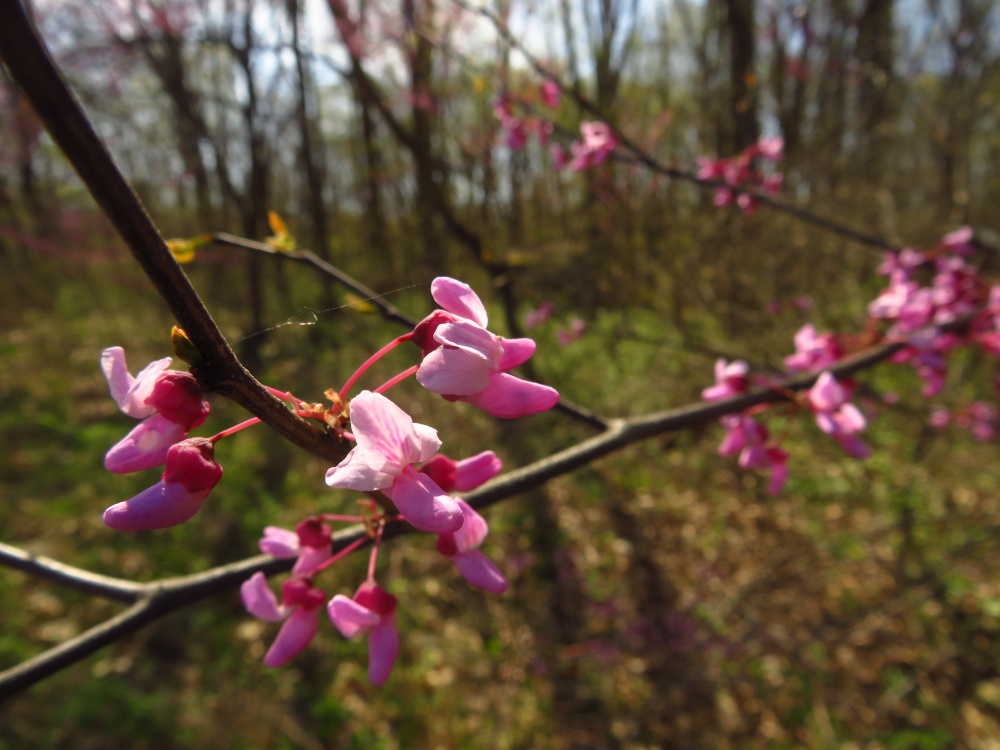
Tony brought along his trusty wildflowers field guide (though the rest of us need it more than he does!), and we walked through the dappled woods in search of beauty.
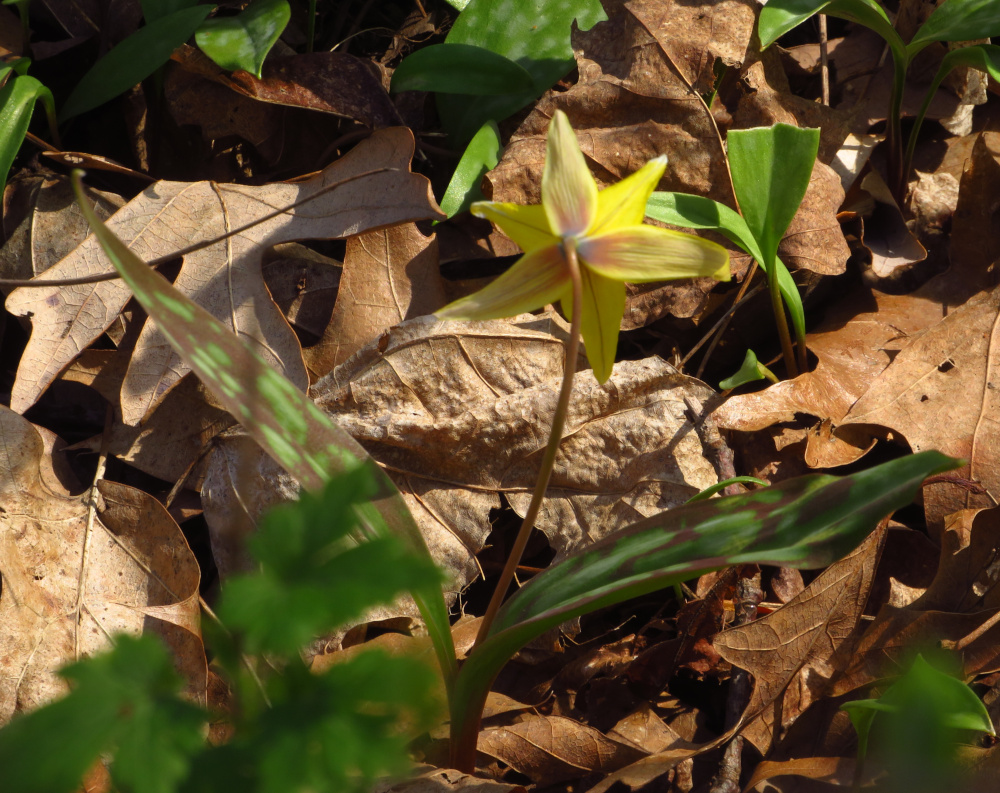
Her leaves are spotted reddish brown and green (like a brook trout).
Wing Haven Nature Preserve has lots of trails, with water (both lake and stream), forest and meadow habitats. A large ravine there has trails around the rim, and another trail goes down to the bottom, where a stream runs through, and then the trail criss-crosses the stream via a series of bridges.
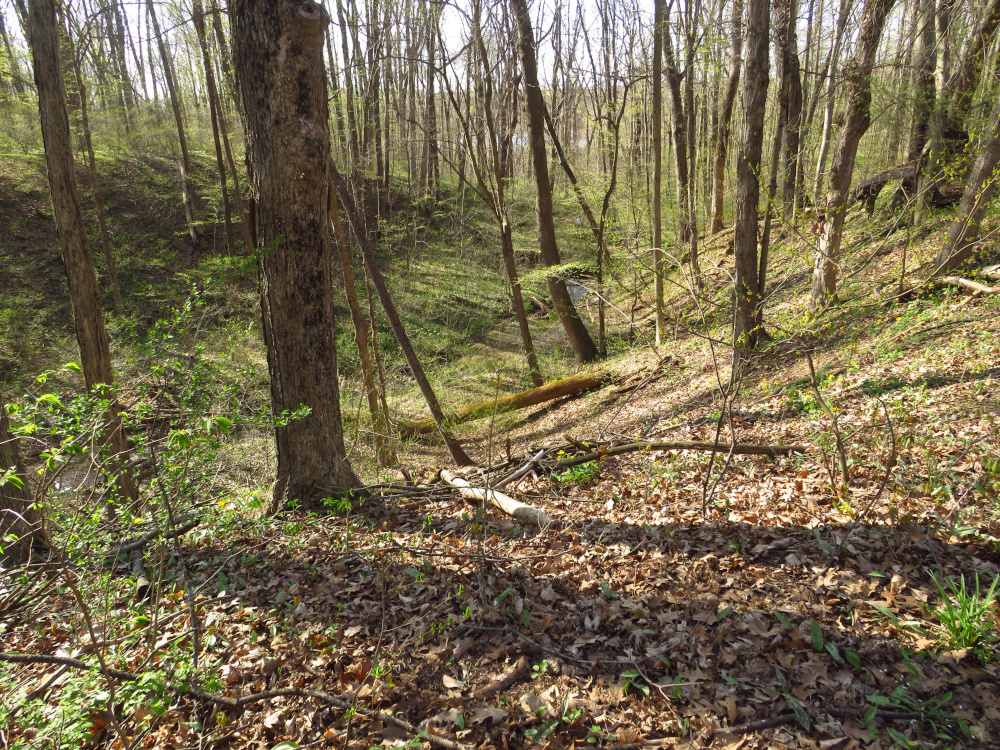
The Robert Frost poem, “Nothing Gold Can Stay,” always runs through my mind at this time of year. There is something special about the fresh gold-green color that comes out first. Can you imagine listening to that beautiful poem while walking through the woods, seeing it all unfold in front of you?
Well, you don’t have to imagine it! Tony recited it, and I recorded this on my phone:
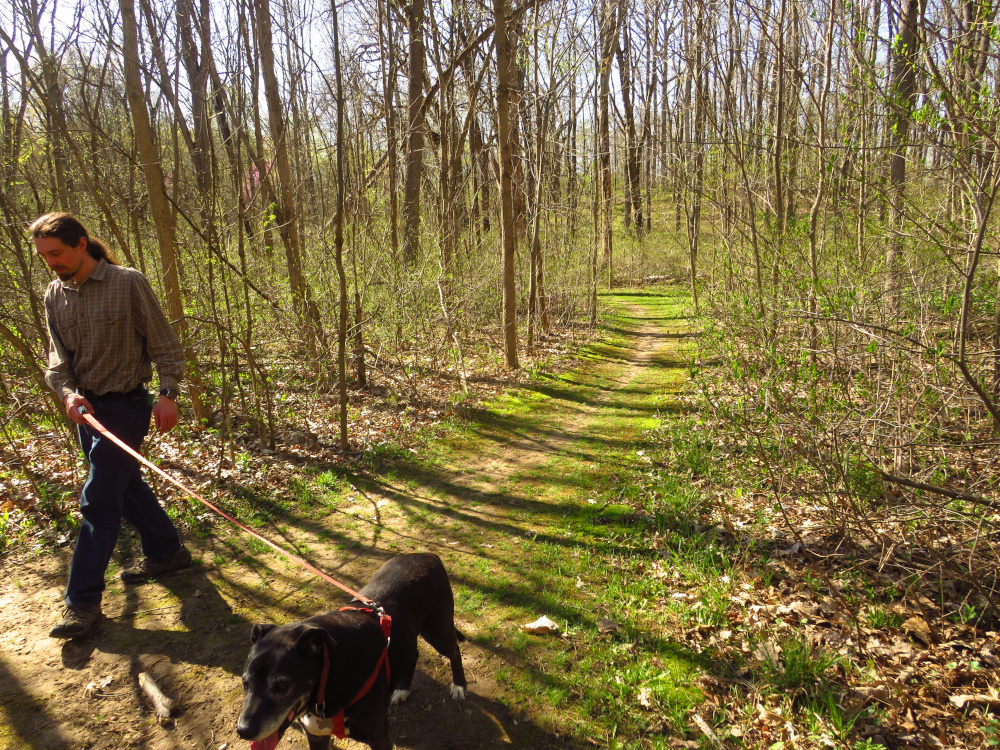
And so we wandered, and took pictures of all the different kinds of wildflowers that we could find. Mr Darcy really didn’t care about all that, but he was a good sport, and waited patiently for us while we took pictures.
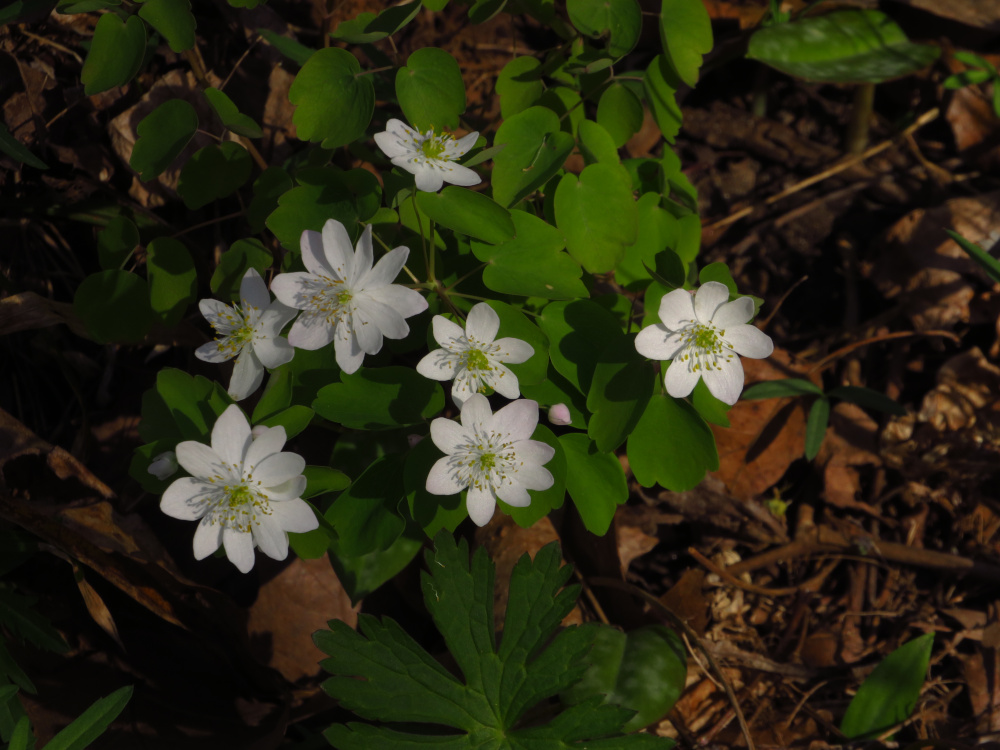
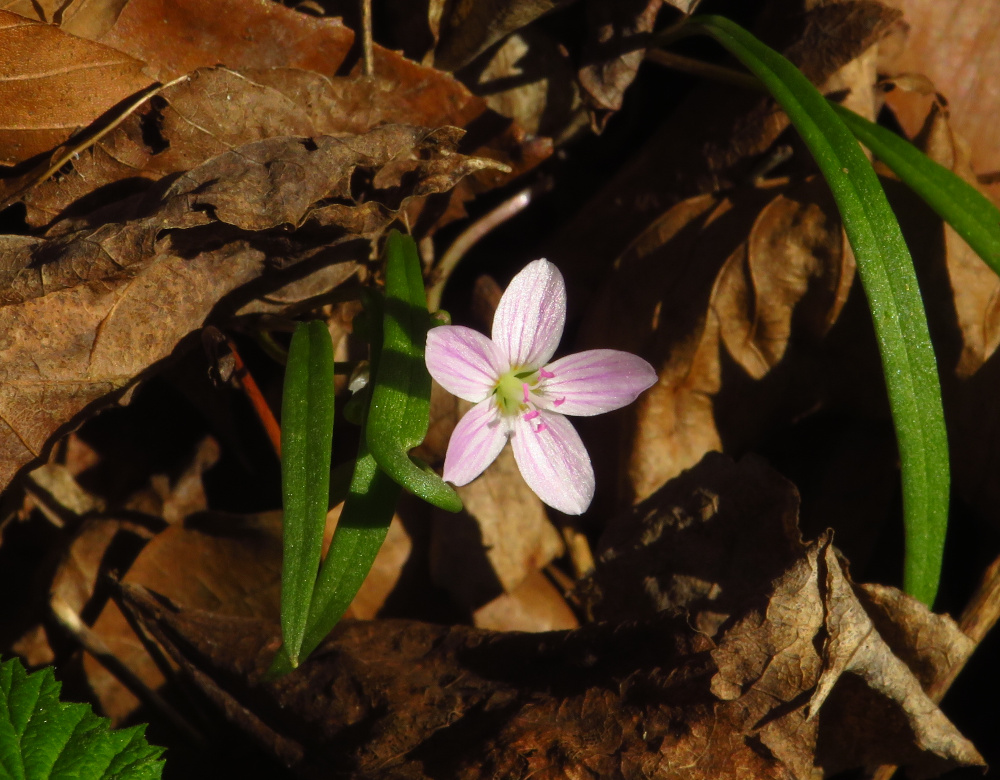
Each plant is unique, and has qualities that shine in more than one way. Rue Anemone, above, is a delicate plant, and its beauty, alone, is enough for me! But it has traditional uses as an herbal medicine, and has been studied for its anti-cancer properties.
There is a traditional folk story about the anemone, which closes at night or during inclement weather, resembling a small tent. Mrs. Maud Greive, author of A Modern Herbal, records the story that the fairy-folk nestle inside, out of the weather, with the curtains pulled close around them!
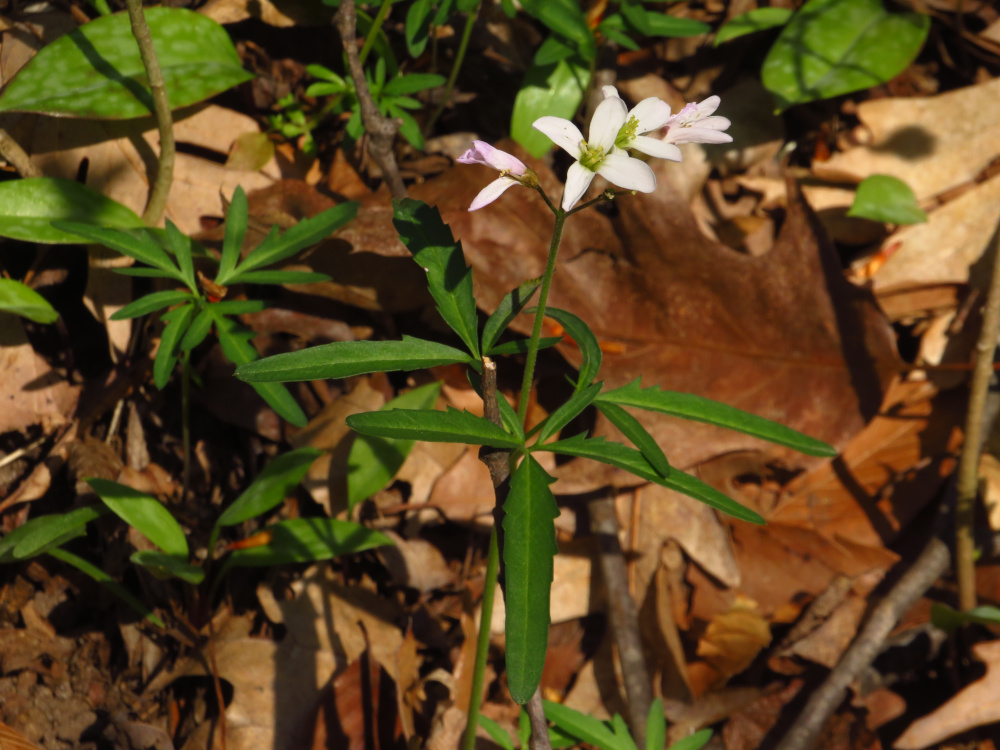
Toothwort is an interesting little flower, so memorably named for her roots, though the profile of the leaves looks toothed, too. These are not found in the western United States, only in the eastern half, but they exist all the way north into Canada. All parts are edible, and they have a peppery flavor. But don’t wait to look for these little ones! They are only here into early May, and then they’ll be gone until next year.
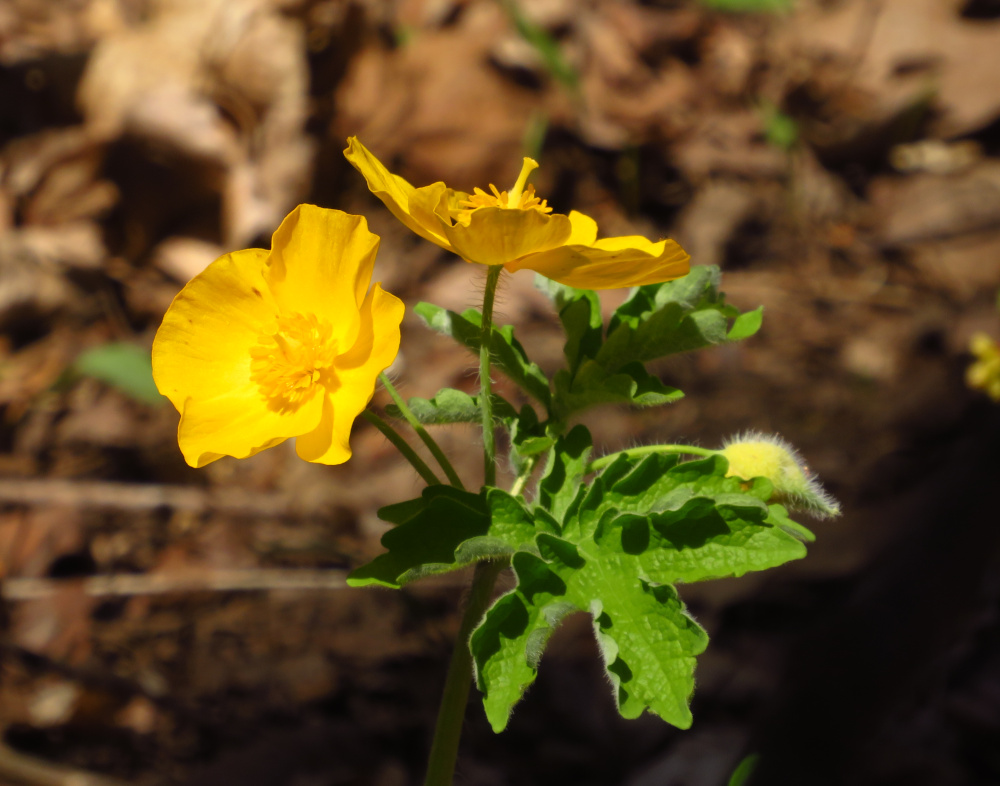
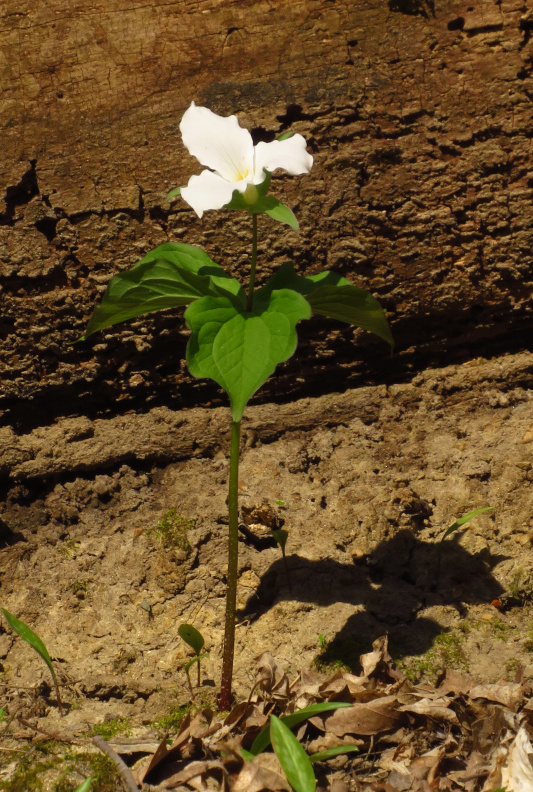
(She is fresh as a flower, isn’t she?)
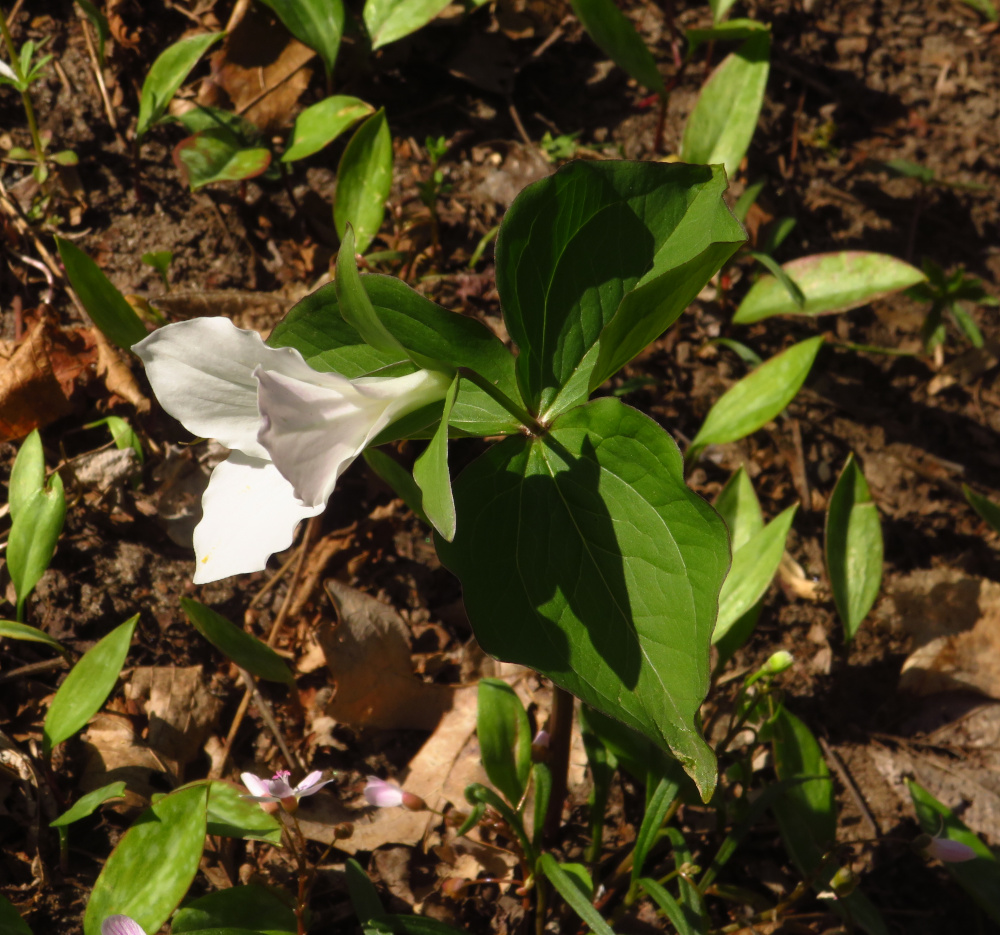
(Outstanding in her field!)
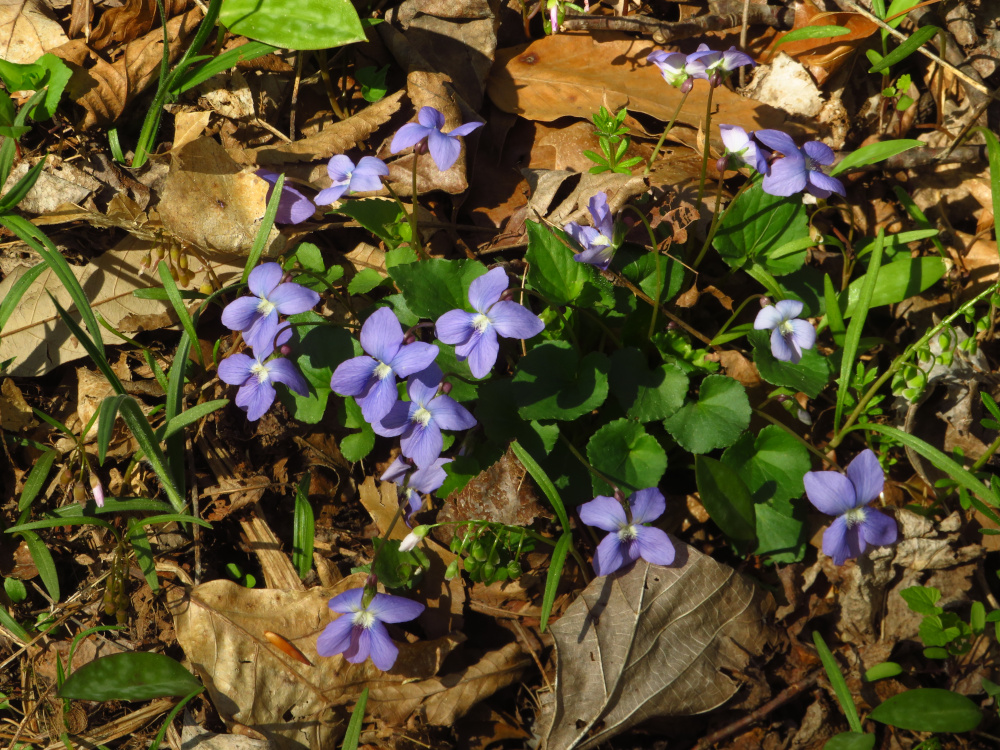

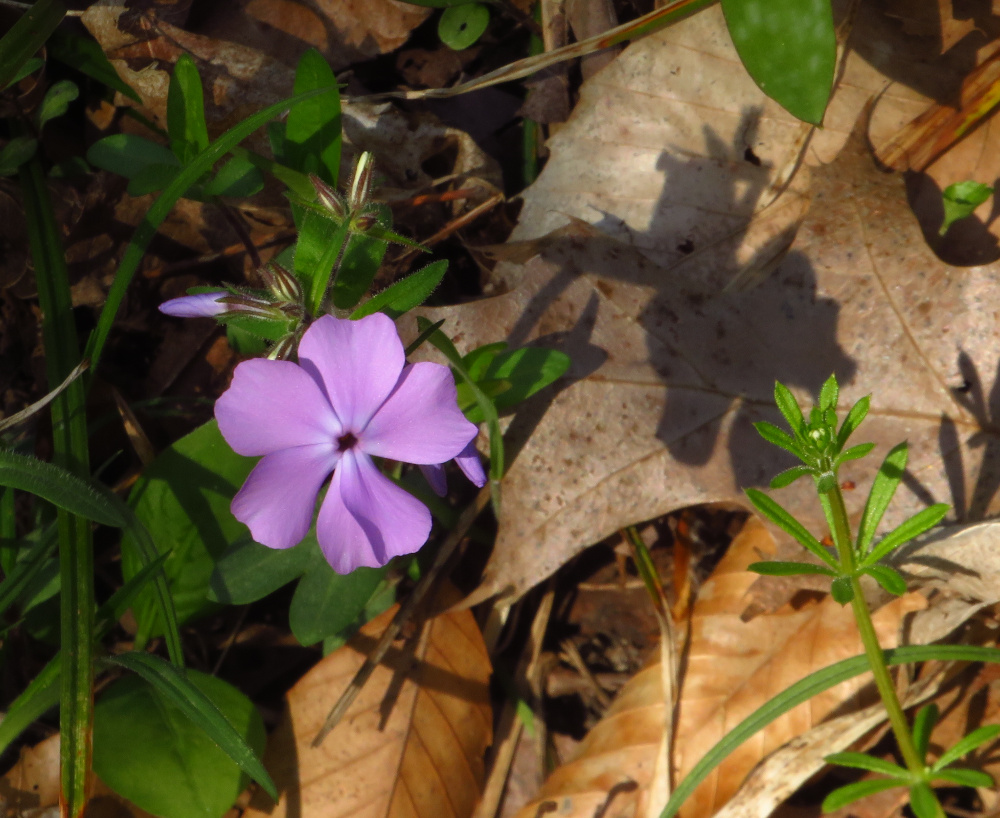
I’ve written about violets before, so I will try not to be boring. But they are so beautiful to me, so fragrant, so useful, and with such an interesting shape! See it from the side? Such a great design (all praise to God)!

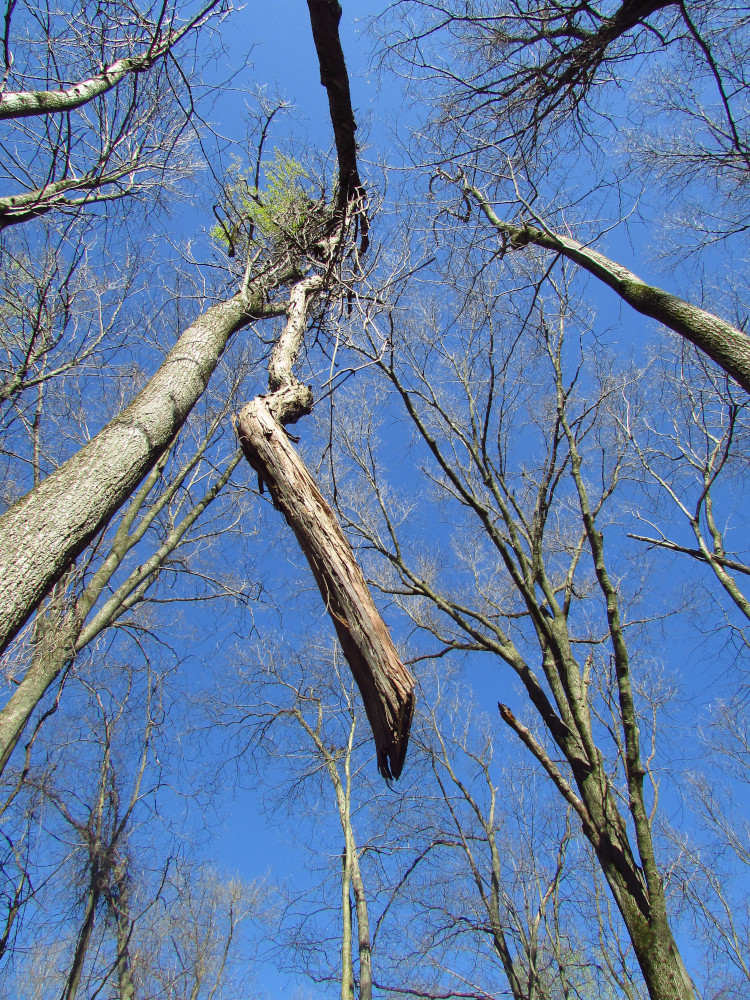
Just grab it and go, baby! Tarzan-style!
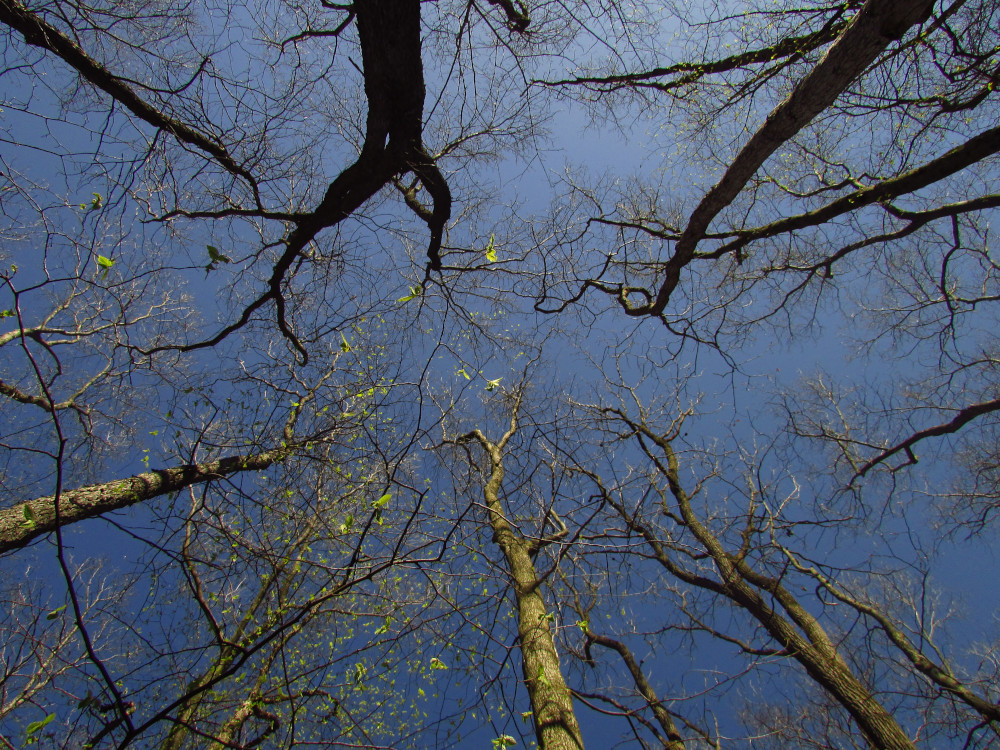
(Beau took this one, too.)
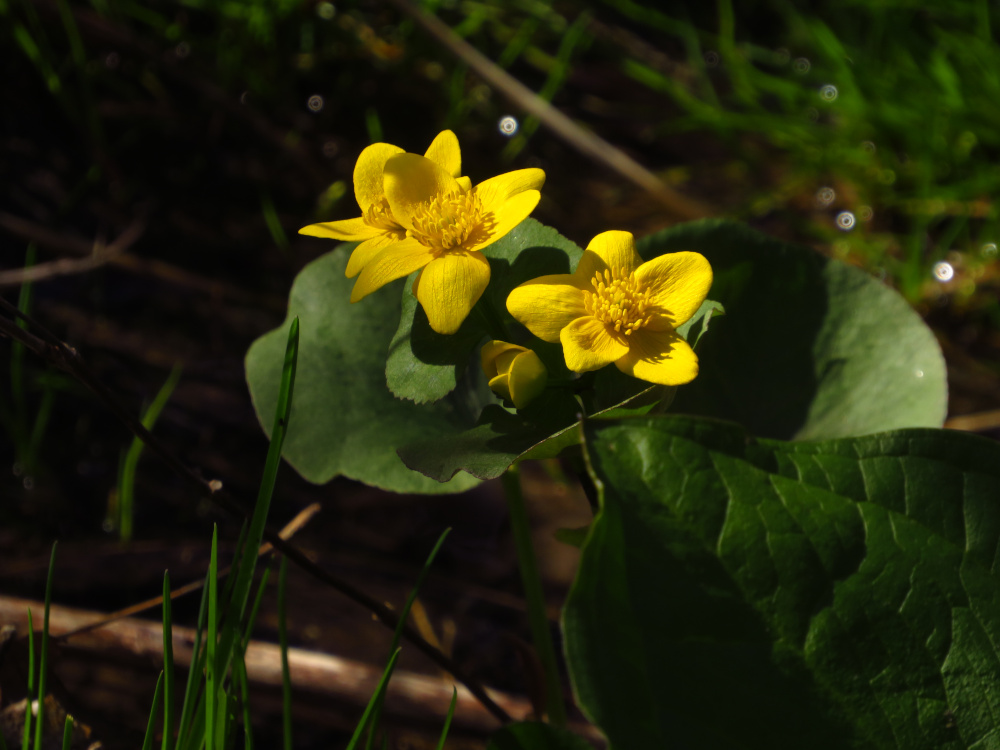
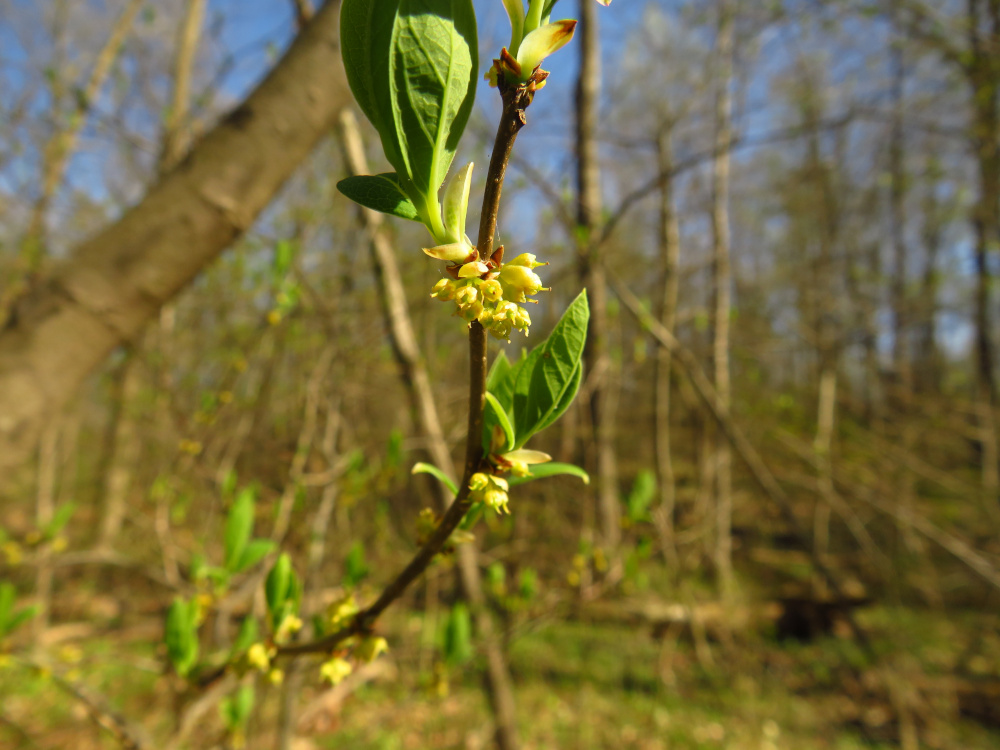
The important question is: What do you think? Next time you are in the woods, check it out.

It is also called “bed straw” because it is not easily compacted, and was used to fill a mattress. The leaves are edible, raw or cooked, and the fruits may be dried and used as a substitute for coffee. It spreads quickly, so if you don’t want it, pull it out (with gloves on) before it spreads seeds.
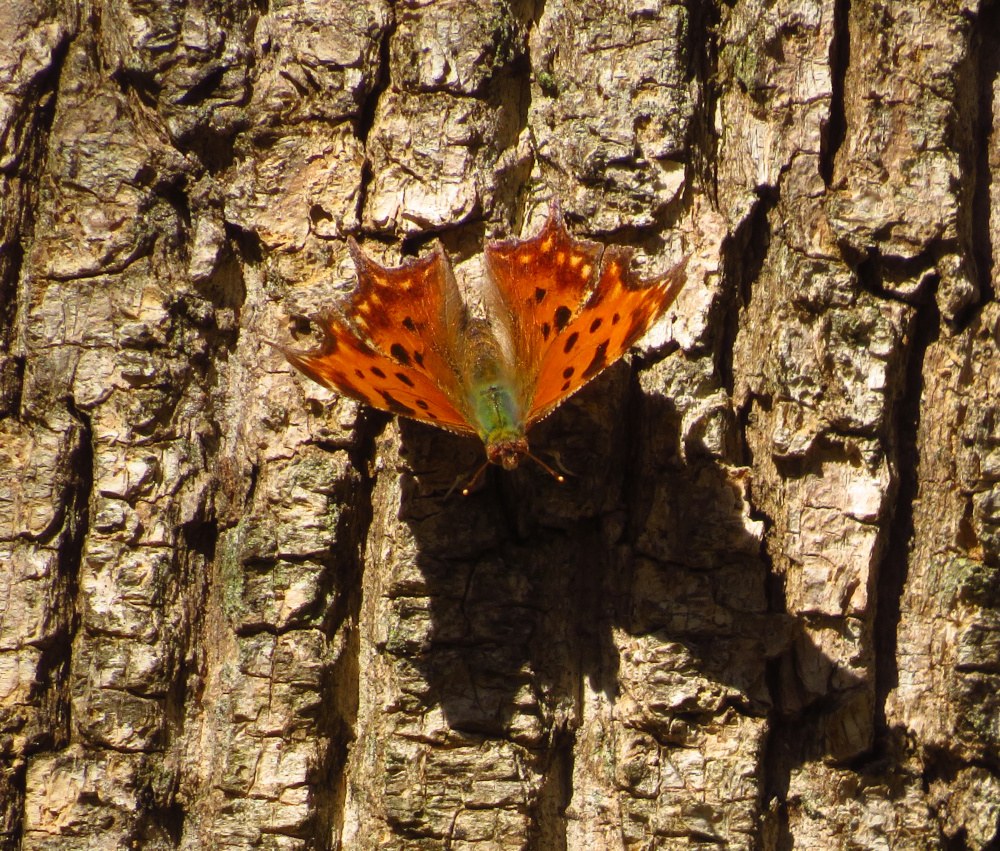
These amazing butterflies (Eastern comma butterfly) show up early on in the spring, and have a dark side to the outside of their wings. With wings closed, they camouflage well against the tree trunks. But when the wings open, surprise!
I am guessing this is a “comma” (named for the silver marking on the drab side of the wing in that shape) but it could also be a “question mark.” If I would have gotten a picture with wings closed, we would know.
See how the little clubs on the end of her antenna seem to glow?
One thing all of these flowers and the butterfly have in common is that they “catch the light.” Their beauty is made complete by the way they reflect. God designed each of these beautiful things, not just to be beautiful, but to have specific uses beyond their beauty, too. Some are good medicine, some are food, and some just bring comfort through various means (their scent, beauty, etc). And the flowers and the animals have done nothing to prepare for their own needs. God created them, prepared them for the cycles they would live through, and God meets their needs and keeps them alive.
Jesus comforts us with this truth:
“And why worry about your clothing? Look at the lilies of the field and how they grow. They don’t work or make their clothing, yet Solomon in all his glory was not dressed as beautifully as they are. And if God cares so wonderfully for wildflowers that are here today and thrown into the fire tomorrow, he will certainly care for you. Why do you have so little faith?
“So don’t worry about these things, saying, ‘What will we eat? What will we drink? What will we wear?’ These things dominate the thoughts of unbelievers, but your heavenly Father already knows all your needs. Seek the Kingdom of God above all else, and live righteously, and he will give you everything you need.” (Matthew 6:28-33 NLT)
Seek the Kingdom of God, my friends, and live righteously! And don’t forget to go outside and experience something amazing. Much love to you all!
 The Fullers Four