
I have been thinking end-of-year thoughts on this last week of the year, and this post is a summary of it. And now we are down to the very last day, in the last few hours!
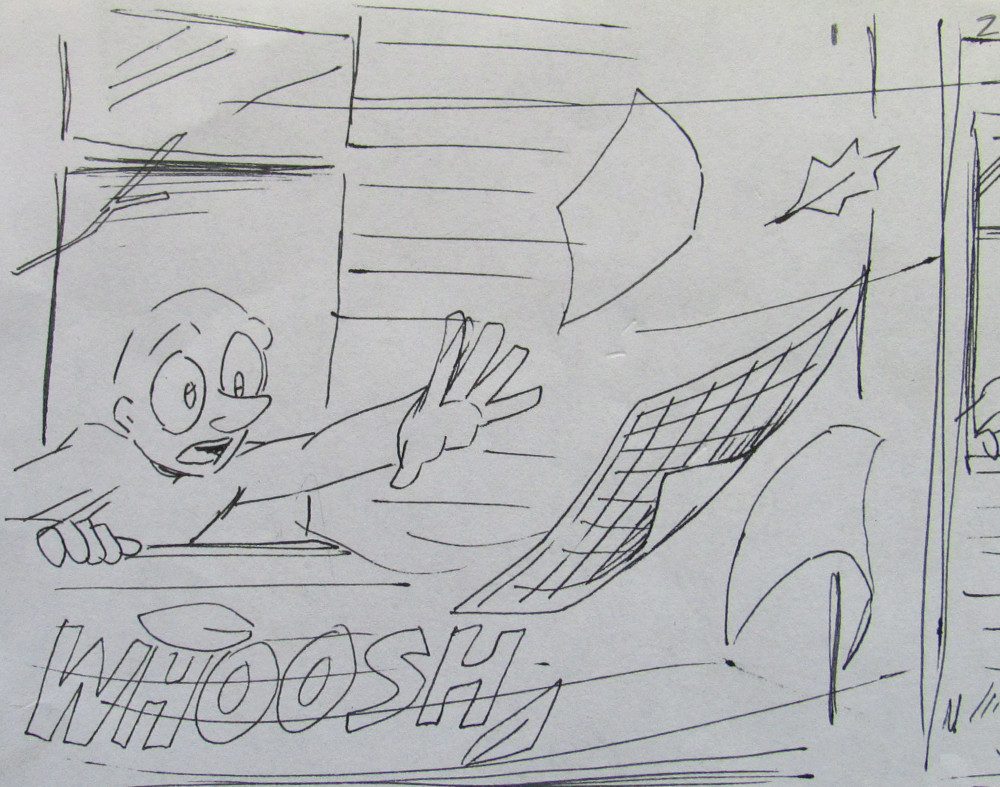
Last Sunday morning, I had a dream. The dream, itself, wasn’t important. But the understanding I had as a result of the dream has lingered with me. I realized that one part of myself had deceived another part of myself. And what I was left with was a strange phrase that I have been wrestling with ever since: “the Hierarchy of Wills.”
Do you trust yourself? It seems like an odd question, but all the time people are saying things like, “I can’t trust myself to leave that cheesecake alone!” When they do this, they are talking openly about the inner conflict between two parts of themselves.
I am not talking about split personality (whatever that is) or possession, or anything like that. I am talking about the everyday garden variety of confusion that rises in each one of us as we go about our days. We struggle with what to wear, what we should eat, how to respond to others, etc.
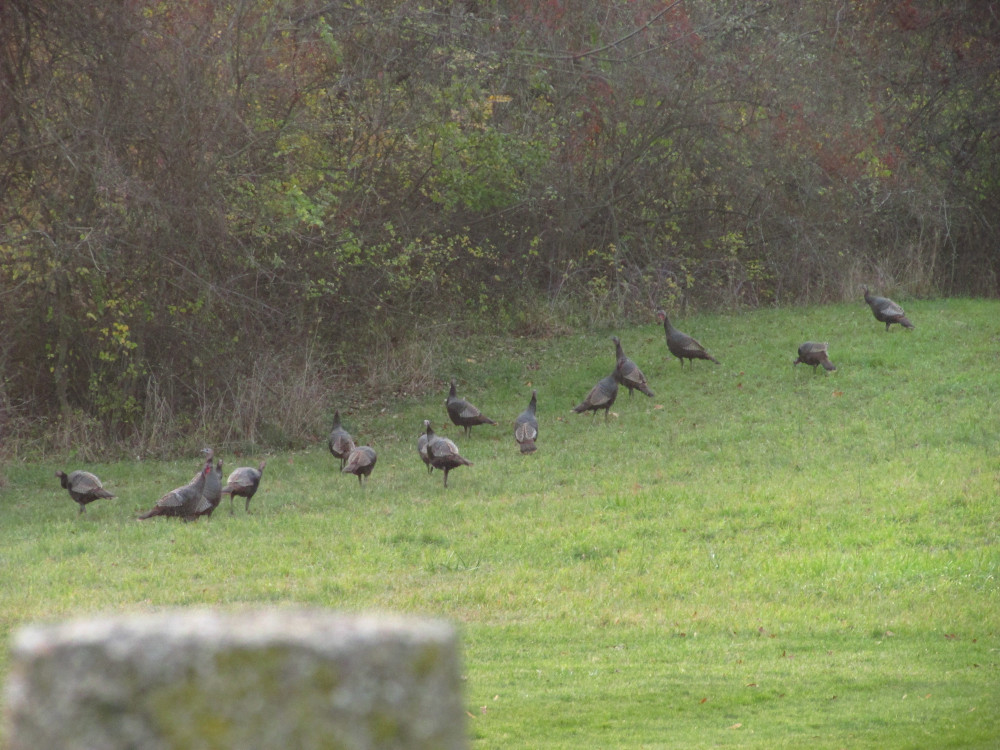
In every situation, we have the chance to make a decision. And in the course of making that decision, we have different opinions rising up from within ourselves. Which opinion wins out? Well, it depends upon the Hierarchy of Wills. And our confusion and indecision ends when one part of us submits, or defers to another part of us.
Last Sunday, I began to think of the most famous inner conflict struggle of all time. And that is the struggle Jesus Christ had when He was in the garden of Gethsemane, right before He was arrested. Jesus was determined to only say and do what He heard and saw the Father do. He never had the slightest intention to go against His Father. Jesus knew who He was, and He knew what was going to happen. He had already prophesied not only His death, but also His glorious resurrection!
But when the time got close, He questioned the need for his death on the cross. That’s a bit of an understatement, isn’t it? His inner struggle was so strong that he sweat great drops of blood in his agony. An angel came from heaven to strengthen Him, and yet he continued to pray that He be spared.
Just step back for a minute and think about this. This is a struggle of wills between the Lord Jesus Christ and His Father. They are members of the Godhead. They are One.
Jesus knew that everything that He had been given would be restored to Him (John 6:39). But what He was facing was really, really hard. And despite his desperate struggle, He made a decision to submit to His Father’s will and spoke out loud, “Not my will, but thine be done.” (Luke 22:42)
But even after his decision to submit, he continued to struggle and suffer. His desire to avoid the cross was now in conflict with His will to go through with it. But there was a hierarchy of wills, and Jesus had placed God the Father’s will, squarely on top.
Jesus came to earth as a man to do the will of the Father. But please remember that Jesus was there from the very beginning. In fact, God made the world through His Son, and the fact that the world still exits is because the Son holds it together. (Hebrews 1:2-3)
When we celebrate the coming of Jesus as a baby at Christmastime, there is a tendency to see him as an outsider. But He was intimately connected with everything that had happened on the earth that He had made, and knew all that happened between God and the world for thousands of years of history.
At one point, Jesus told his followers that He had seen “Satan fall like a lightning bolt from heaven.” (Luke 10:18) And later, when He was talking to the religious leaders, He said, “Before Abraham was, I AM.” (John 8:58)
Jesus saw the fall of Satan, and He also witnessed the fall of man. And He was there before Abraham, and was there when God made the covenant with Abraham (Genesis 15).
So when Jesus said, “Before Abraham was, I am,” He was not only deliberately using tense shift to highlight God’s Name (I AM), but was also hinting that He was there before the first covenant was made, the covenant that was broken and required a life. He was that perfect sacrifice, the Lamb of God that takes away the sin of the world.
This knowledge brings a new light to what Jesus said during the Sermon on the Mount:
“Think not that I am come to destroy the law, or the prophets: I am not come to destroy, but to fulfill.”
Jesus finished the first covenant. He fulfilled it. He showed everyone how to live under the law and kept it perfectly, for He never sinned. Jesus never had to die on his own behalf, so by His death on the cross (a sinner’s death) He was able to pay the price for all of our sins.
He broke the “power” of sin (or the threat of sin, which is death) by removing the death sentence from all of us. He bought the right to repair our hearts–if we let him. He waits for us to will it, for He is the One who protects our free will!
Then he instituted a better covenant, one we can keep, with His Spirit inside of us. There was nothing wrong with the old Law, except that it was not possible for us to keep it in our fallen state. So it showed us our need for a Savior.
This new and better covenant is not more lenient; instead it is spiritual. In the Sermon on the Mount, Jesus explained the old law with a series of statements: “You have heard that it has been said, “Thou shalt not (kill, commit adultery, take the Lord’s name in vain), but I say (don’t be angry and call names, don’t look with lust, don’t make any oaths) for it is the same thing!” (my paraphrase, from Matthew 5:21-42)
He explained that the spirit behind the action was the point, not just the physical behavior. That is what it was always about. But since we were dead in our sins (so calloused to God’s Spirit), we had no power to change our own hearts.
The love of God, once we really get it, transforms us. He draws us with loving kindness (Jeremiah 31:3), and when we respond to Him, He renews our hearts, and makes us tender, the way He had planned for us to be in the first place.
“A new heart also will I give you, and a new spirit will I put within you: and I will take away the stony heart out of your flesh, and I will give you an heart of flesh.” (Ezekiel 36:26)
Our real life starts with God’s love, and continues with our decision, our response to Him. And this response is on-going, not a one-time thing. For we can become distracted and leave our first love. But as long as He gives us a desire to be with Him, we can always turn back. Don’t give up!
“For God so loved the world that He gave His only begotten Son, that whosoever believeth in Him should not perish, but have everlasting life.” (John 3:16)
“For God demonstrated his love for us in that while we were yet sinners, Christ died for us.”(Romans 5:8)
“For this is love, not that we loved God, but that He loved us, and sent His Son to be the propitiation [payment] for our sins.” (1 John 4:10)
“We love, because He first loved us.” (1 John 4:19)
Jesus said, “As the Father hath loved me, so have I loved you: continue ye in my love. If ye keep my commandments, ye shall abide in my love; even as I have kept my Father’s commandments, and abide in His love. This is my commandment that ye love one another, as I have loved you.” (John 15:9,10 and 12)
Notice that Jesus said, “even as I have kept my Father’s commandments.” This goes right back to the idea of the hierarchy of wills. Jesus obeyed His Father. He remains in His Father’s love. In the same way, we are to keep the commandments of Jesus, and so will remain in His love. And what is Jesus’s commandment? To love one another as He has loved us.
As long as we live on this earth, we will be at war within ourselves. Part of us wants to live wild and party and do whatever selfish thing we feel like doing. That is our flesh, and it is a “dead man walking.” It will either die when we kill it (by ignoring it and not allowing it to sin) or it will die when Jesus comes back and takes vengeance on it. Don’t let that dead thing take you with it!
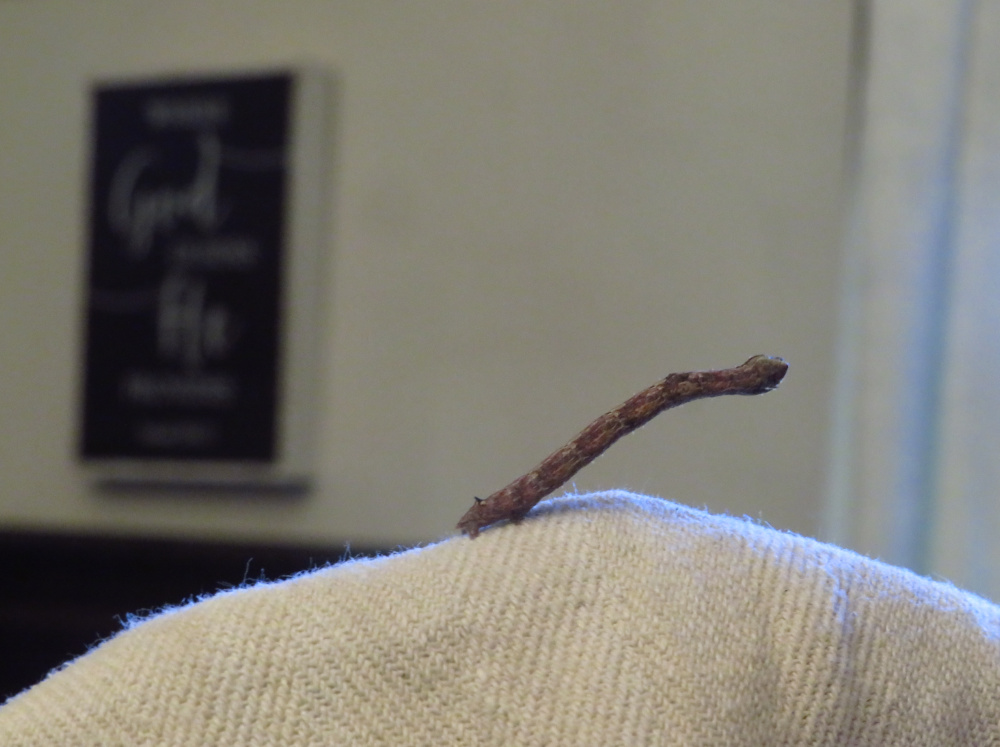
This was from last summer–we wouldn’t put her out there now!
We must distance ourselves from “the dead man walking”/our flesh as much as possible, because it has the power to choke out our love for God. If your love for God has grown cold, and your cold heart bothers you, rejoice! You still have the power of repentance in your grasp! Turn around right away and run back to God, and immerse yourself in the cleansing water of his Word, and enjoy the wonder of His love! Shut out the deceptive opinions and betraying voices that oppose Him like the deadly enemies they are. They want to kill you!
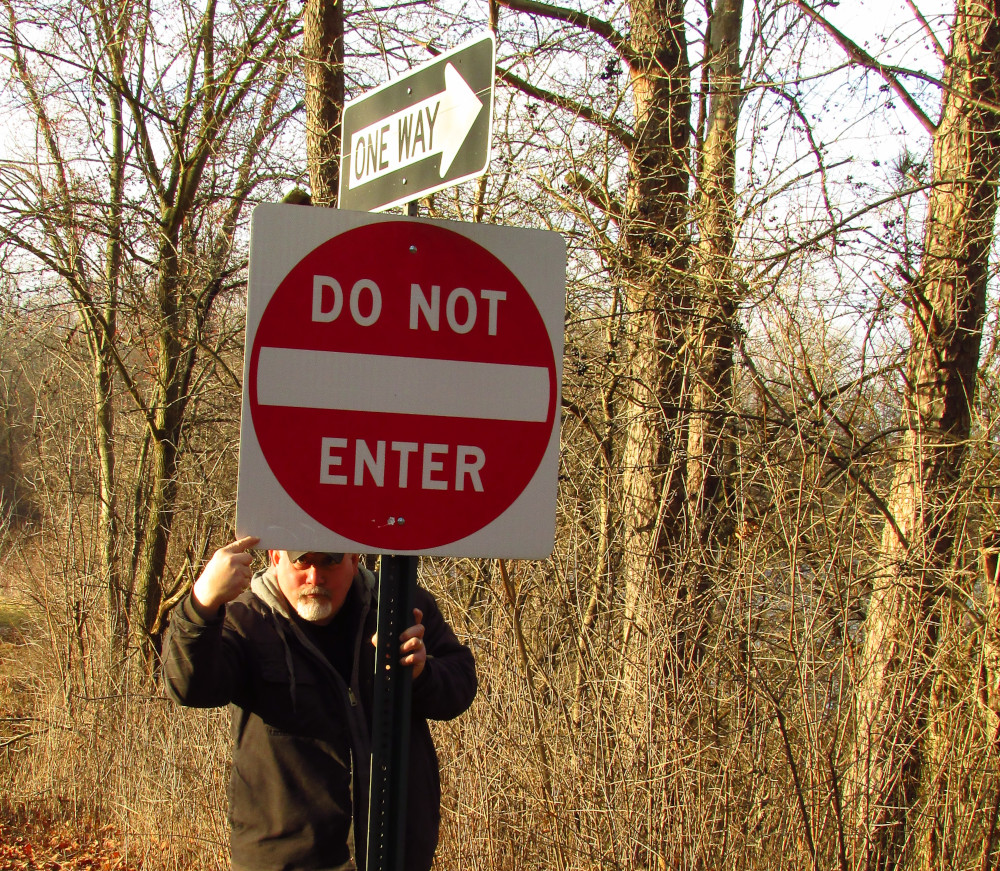
Your will has incredible power! It is given to us by God, and He is the One that empowers our will so we can take action! If you feel helpless to resist something, don’t believe it! With God, all things are possible. And the encouraging secret is this: When we make the tiniest move in His direction, He will come zooming in and close the distance. He just wants to know we truly want Him.

Oh, there is so much more to say, but I have to stop for now. As the calendar flips, think of how much you will grow in the coming year if you listen to the part of yourself that wants to live! So love your precious God-given life and approach each decision by asking: Will this lead to life or not?
Choose life, and continue to choose life, and we will, too. Do those things that head in that direction, always following the one who has already conquered death.

The Lord Jesus Christ is coming back to lead us into life everlasting!
 The Fullers Four